
The Meaning of Judgment
Book of RevelationThis flow traces how Shorey interprets judgment as both escalating consequence for the unrepentant and vindication for the faithful.
increasing Bearing strength in each event
 decreasing
Bearing strength in each eventdecreasingWarnings before Wrath
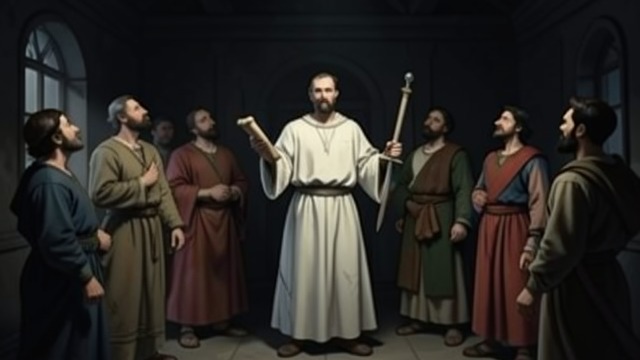
Warnings before Wrath
A world under strain
The seals bring conflict, scarcity, death, and martyrdom before the trumpet judgments begin.
Shorey distinguishes these conditions from the later outpouring he identifies as God’s wrath.
A period of decision
The angelic gospel proclamation and the saints’ endurance make the sequence morally charged.
The visions show opportunities to respond even as the crisis deepens.
The Dead Await Justice
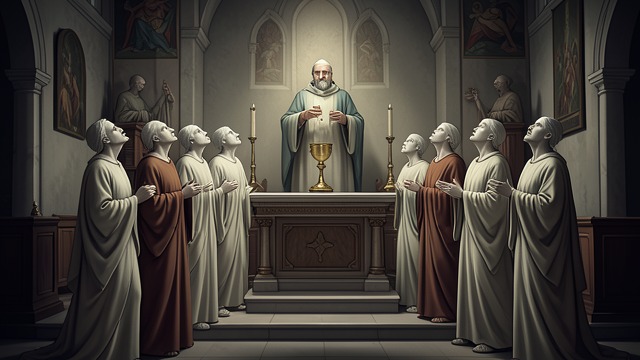
The Dead Await Justice
A question from the altar
The slain witnesses ask when God will judge the inhabitants of the earth and avenge their blood.
Their question gives voice to the apparent delay of justice during persecution.
Patience before judgment
They receive robes and are told to wait until their fellow servants have also suffered.
Shorey reads the scene as a painful but temporary pause before divine intervention.
Reward and Destruction
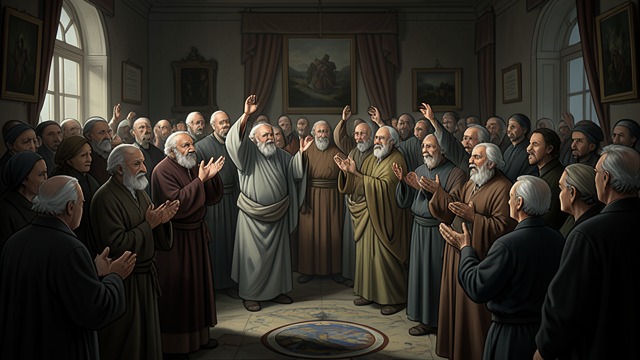
Reward and Destruction
Two outcomes together
The elders praise God as the time comes to reward the prophets and saints and destroy those who destroy the earth.
Shorey places this passage between the seventh seal and the first trumpets.
Justice completed
Reward and destruction are presented as simultaneous aspects of judgment rather than competing themes.
This pairing helps Shorey explain why heavenly celebration precedes further earthly devastation.
Repentance Refused
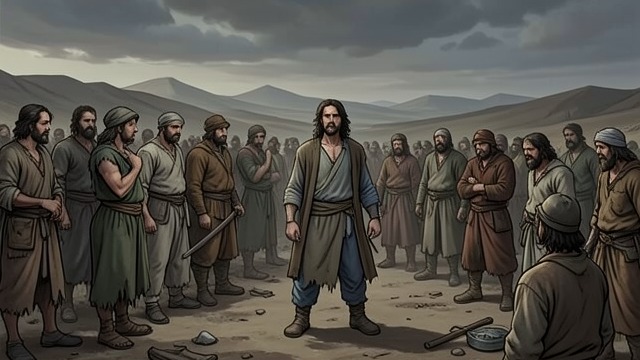
Repentance Refused
Plagues without conversion
The trumpet account describes survivors who do not repent of idolatry, violence, sorcery, or theft.
Shorey uses this refusal to explain why judgment continues rather than ending with the earlier disasters.
Moral consequence
The plagues expose a persistent resistance to God, not merely a population caught in misfortune.
The theme makes the coming bowls a climax of judgment upon continued rebellion.
The Final Assize
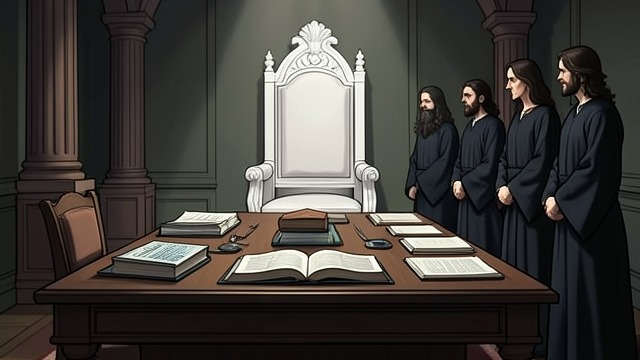
The Final Assize
The dead stand before God
At the Great White Throne, the dead are judged according to what is written in the books.
Death and the realm of the dead give up their inhabitants before the final sentence.
A lasting division
Those not found in the Book of Life are cast into the Lake of Fire.
Shorey presents the judgment as the final consequence of rejecting God and the final closure of the history described in Revelation.
During the early seal sequence
At the fifth seal
At the transition into the trumpet judgments
After the trumpet plagues intensify
After the thousand-year reign
